 Book Appointment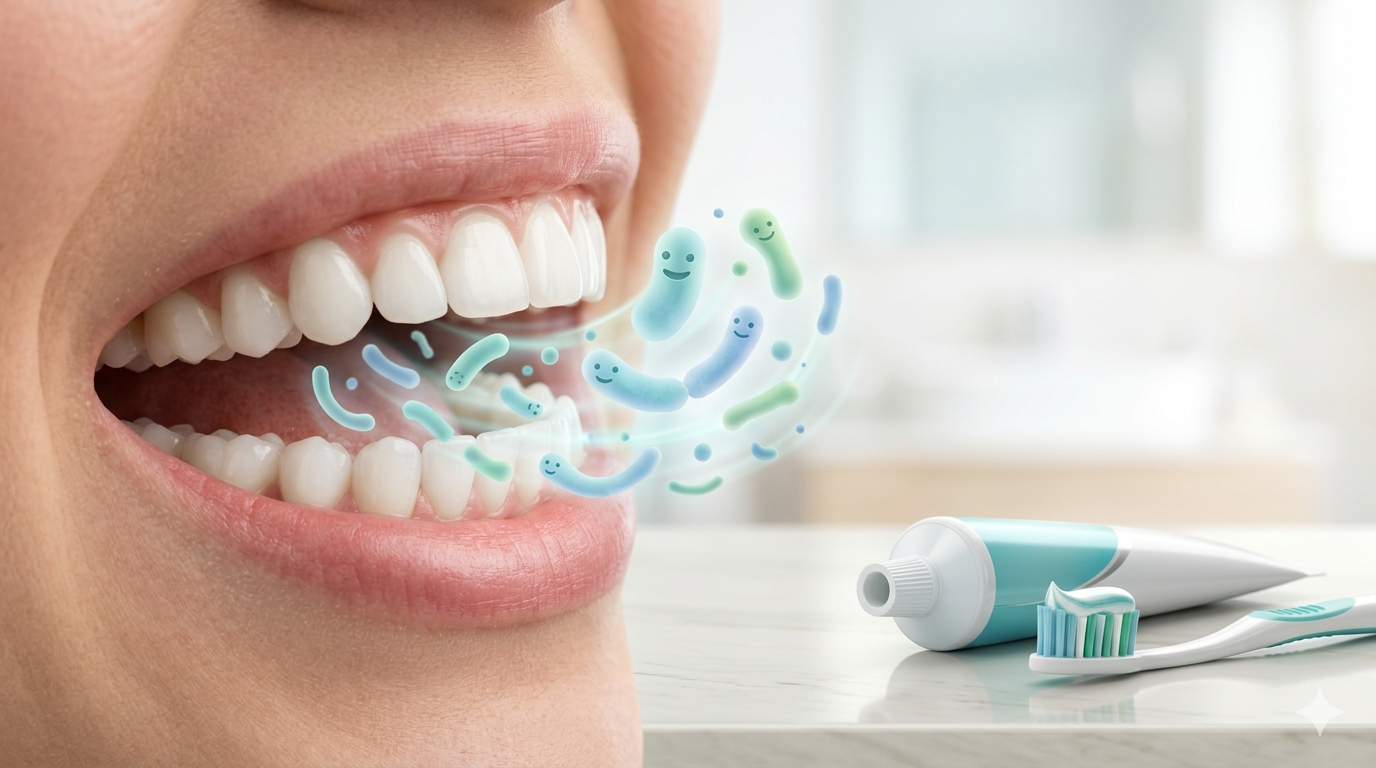
In recent years, the idea of “good bacteria” for better health has gained serious attention—and now it’s making its way into dental care. One of the latest trends is probiotic toothpaste, marketed as a smarter, more natural way to support oral health.
But do these products actually work? Or are they just another wellness trend?
Let’s take a closer look at whether probiotic toothpastes are truly worth trying.
What Is Probiotic Toothpaste?
Probiotic toothpaste contains beneficial bacteria designed to support a healthy balance in your mouth.
Instead of focusing only on killing bacteria (like traditional toothpaste), probiotic formulas aim to:
- Promote good bacteria
- Reduce harmful bacteria
- Support a balanced oral microbiome
This approach is based on the growing understanding that your mouth, like your gut, relies on a healthy ecosystem of microorganisms.
How Is It Different From Regular Toothpaste?
Traditional toothpaste focuses on:
- Removing plaque
- Killing bacteria
- Preventing cavities with fluoride
Probiotic toothpaste, on the other hand, focuses more on rebalancing bacteria rather than eliminating it completely.
The key difference is:
- Regular toothpaste = control and removal
- Probiotic toothpaste = balance and support
Some probiotic toothpastes still include fluoride, while others are fluoride-free.
Potential Benefits of Probiotic Toothpaste
While research is still evolving, early findings and clinical interest suggest several possible benefits.
Improved Gum Health
Probiotics may help reduce inflammation and support healthier gums by limiting harmful bacteria linked to gum disease.
Reduced Bad Breath
Bad breath is often caused by bacteria imbalance. Introducing beneficial bacteria may help restore balance and improve breath naturally.
Support for the Oral Microbiome
Probiotic toothpaste aligns with the modern approach of maintaining a healthy bacterial environment, rather than trying to eliminate all bacteria.
Gentle on the Mouth
Many probiotic products are less harsh than strong antiseptic formulas, making them a good option for people with sensitivity.
Are There Any Downsides?
While probiotic toothpaste is promising, it’s not a perfect solution.
Limited Long-Term Research
Compared to traditional toothpaste, probiotic options are still relatively new. Long-term studies are ongoing.
Not a Replacement for Fluoride (in Many Cases)
Fluoride remains one of the most effective ingredients for preventing cavities.
Some probiotic toothpastes do not contain fluoride, which could increase cavity risk if used as a complete replacement—especially for people prone to decay.
Results May Be Subtle
Unlike whitening products or strong treatments, probiotic toothpaste works gradually. You may not notice immediate or dramatic changes.
Who Should Consider Using Probiotic Toothpaste?
Probiotic toothpaste may be a good option for people who:
- Experience frequent bad breath
- Have mild gum sensitivity
- Prefer a more natural approach to oral care
- Are interested in supporting their oral microbiome
However, it may not be ideal as a standalone solution for those with:
- High cavity risk
- Active dental disease
- Significant plaque buildup
In these cases, traditional dental care remains essential.
Can You Use Both Types of Toothpaste?
Yes—many people choose a combined approach.
For example:
- Use fluoride toothpaste to prevent cavities
- Use probiotic toothpaste at a different time of day to support balance
This allows you to benefit from both protection and microbiome support.
Before combining products, it’s always a good idea to consult your dentist.
What Do Dentists Say?
Most dental professionals see probiotic toothpaste as promising but not a replacement for proven care.
The general consensus is:
- It can be a helpful addition to your routine
- It should not replace brushing, flossing, or professional cleanings
- Fluoride still plays a critical role in cavity prevention
Dentists are increasingly interested in microbiome-focused care, but they emphasize a balanced, evidence-based approach.
Tips Before You Try Probiotic Toothpaste
If you’re thinking about switching, keep these tips in mind:
- Check if the product contains fluoride
- Look for clinically tested formulations
- Avoid replacing your entire routine immediately
- Monitor how your mouth responds
- Continue regular dental visits
Consistency matters more than trends when it comes to oral health.
Probiotic toothpaste represents an exciting shift in how we think about oral care—from simply fighting bacteria to supporting a healthy balance.
While it may not replace traditional toothpaste, it can be a useful addition for those looking to improve gum health, freshen breath, and support their oral microbiome.
The key is to use it wisely—as part of a complete oral care routine that includes brushing, flossing, and regular dental checkups.
In the end, probiotic toothpaste isn’t a miracle solution—but it’s a promising step toward a more balanced and modern approach to oral health.