
 Book Appointment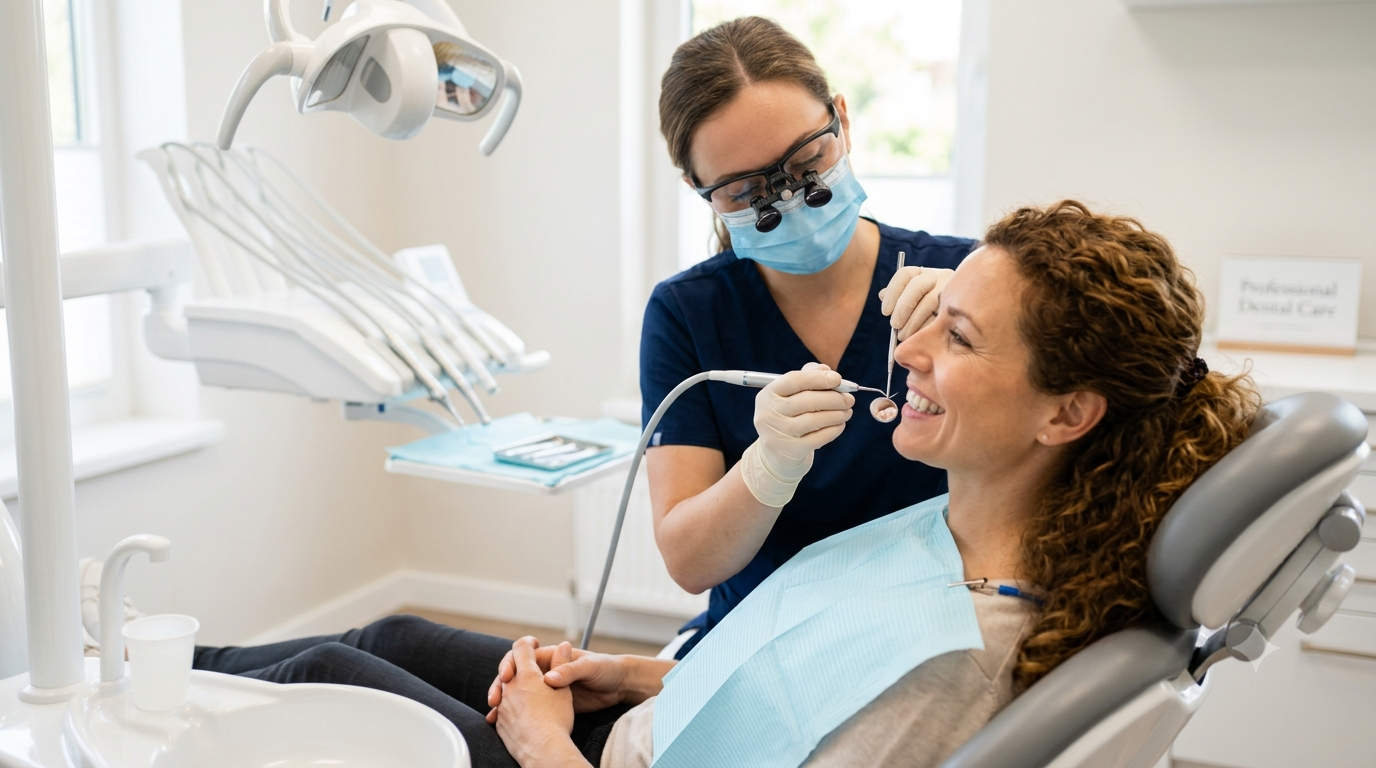
Brushing and flossing every day are essential for maintaining healthy teeth and gums, but even a consistent home-care routine cannot remove every bit of plaque and hardened tartar. This is where professional dental cleanings come in.
But how often should adults actually have their teeth professionally cleaned? You may have heard the common recommendation of getting a cleaning every six months. While this works well for many people, there is no single cleaning schedule that is right for everyone.
Your ideal frequency depends on your gum health, oral hygiene, medical and dental history, risk of tooth decay, and other individual factors.
Why Are Professional Dental Cleanings Necessary?
Plaque is a sticky layer of bacteria that continuously forms on your teeth. Regular brushing and cleaning between your teeth can remove much of it.
When plaque is not completely removed, it can harden into tartar, also called calculus. Unlike soft plaque, tartar cannot be effectively removed with a regular toothbrush. It generally requires professional instruments.
During a dental cleaning, a dental professional can remove plaque and tartar from areas that are difficult to reach at home. The process can also help reduce the buildup of bacteria associated with gum inflammation and tooth decay.
Is Every Six Months Enough?
For many adults with healthy gums and a low risk of dental problems, a professional cleaning approximately every six months may be appropriate.
However, the six-month schedule is not a universal rule.
Some people may benefit from more frequent cleanings, while others with consistently good oral health may be able to follow a different schedule recommended by their dentist.
Your dentist can assess your oral health and recommend an interval based on your individual needs.
Who May Need More Frequent Cleanings?
Certain adults may need professional cleanings more often than twice a year.
People With Gum Disease
If you have gingivitis or periodontitis, plaque and tartar can contribute to ongoing inflammation. Depending on the severity and your response to treatment, your dentist or periodontist may recommend a periodontal maintenance schedule with visits more frequently than standard preventive cleanings.
These visits are designed to help control inflammation and monitor the health of the tissues supporting your teeth.
People With Heavy Tartar Buildup
Some people naturally develop tartar more quickly than others. Saliva composition, oral hygiene habits, tooth alignment, and other factors can influence how quickly deposits accumulate.
If significant tartar returns between regular appointments, your dentist may recommend shorter intervals between professional cleanings.
People With a Higher Risk of Tooth Decay
A history of frequent cavities may influence how often you need dental visits. Dietary habits, dry mouth, certain medications, oral hygiene, and other factors can increase the risk of decay.
More frequent dental visits may allow your dental team to monitor these risks and address problems earlier.
People With Orthodontic Appliances
Braces and certain other orthodontic appliances can make some areas harder to clean. Plaque may accumulate around brackets, wires, and other components.
Depending on your individual needs, additional professional cleaning and closer monitoring may be recommended during orthodontic treatment.
What Happens During a Professional Cleaning?
A routine cleaning usually begins with an assessment of your teeth and gums. A dental professional may examine the amount of plaque and tartar present and look for signs of gum inflammation.
Specialized instruments are then used to remove deposits from the teeth. The teeth may be polished afterward to remove surface stains and leave the tooth surfaces smoother.
Your dental team may also discuss brushing, flossing, interdental cleaning, diet, or other habits based on what they observe.
A cleaning is different from a comprehensive dental examination. Depending on your appointment and oral health, your dentist may also recommend periodic examinations and X-rays when clinically appropriate.
Can Professional Cleaning Replace Daily Brushing and Flossing?
No. Professional cleaning is not a substitute for daily oral hygiene.
Plaque begins forming again soon after it is removed, which means maintaining your teeth and gums at home is essential.
For most adults, this includes brushing twice a day with fluoride toothpaste and cleaning between the teeth regularly. Your dentist or hygienist can recommend specific techniques or tools if you have difficulty cleaning certain areas.
What Happens If You Skip Cleanings?
Skipping professional cleanings does not automatically mean you will develop dental problems, but it can allow plaque and tartar to accumulate unnoticed.
Early gum inflammation may cause few noticeable symptoms. Over time, untreated gum disease can affect the tissues and bone supporting the teeth.
Regular dental visits also give your dental team an opportunity to identify early signs of cavities, worn restorations, gum problems, or other oral health concerns.
Professional cleanings are therefore about more than simply making your teeth feel cleaner.
How Do You Know If You Need a Cleaning?
If it has been a long time since your last professional cleaning, it is worth scheduling an appointment, particularly if you notice:
- Bleeding when brushing or flossing
- Persistent bad breath
- Visible tartar buildup
- Red or swollen gums
- Gum tenderness or recession
- Increased tooth sensitivity
- Staining or rough deposits on your teeth
These signs do not necessarily indicate that you need a specific type of cleaning, but they are good reasons to have your oral health evaluated.
For many adults, professional teeth cleaning every six months can be a reasonable routine, but your ideal schedule may be different.
People with gum disease, heavy tartar buildup, frequent cavities, orthodontic appliances, or other risk factors may benefit from more frequent appointments. Others may require a different interval based on their individual oral health.
The best approach is to follow a cleaning schedule recommended by your dentist rather than relying solely on a fixed calendar. Combined with daily brushing, cleaning between your teeth, and regular dental examinations, professional cleanings can play an important role in maintaining healthy teeth and gums over time.